Why Low MOQ Packaging Is a Game-Changer for Small Food Businesses
For years, custom packaging was a privilege reserved for big brands with big budgets. Minimum order quantities of 5,000 or even 10,000 units made it impossible for a neighborhood bakery, pop-up cafe, or ghost kitchen to get professionally branded packaging without tying up thousands of dollars in inventory.
That is changing. Digital printing and online packaging platforms now make low MOQ custom food packaging accessible to small businesses — so you can test designs, launch seasonal campaigns, and scale only when demand proves out.
What Low MOQ Actually Means for Food Brands
MOQ stands for minimum order quantity: the smallest batch a supplier will produce. Traditional packaging printers rely on flexographic plates and long press runs, which is why MOQs of 5,000+ units are common for custom paper bags, food boxes, and labels.
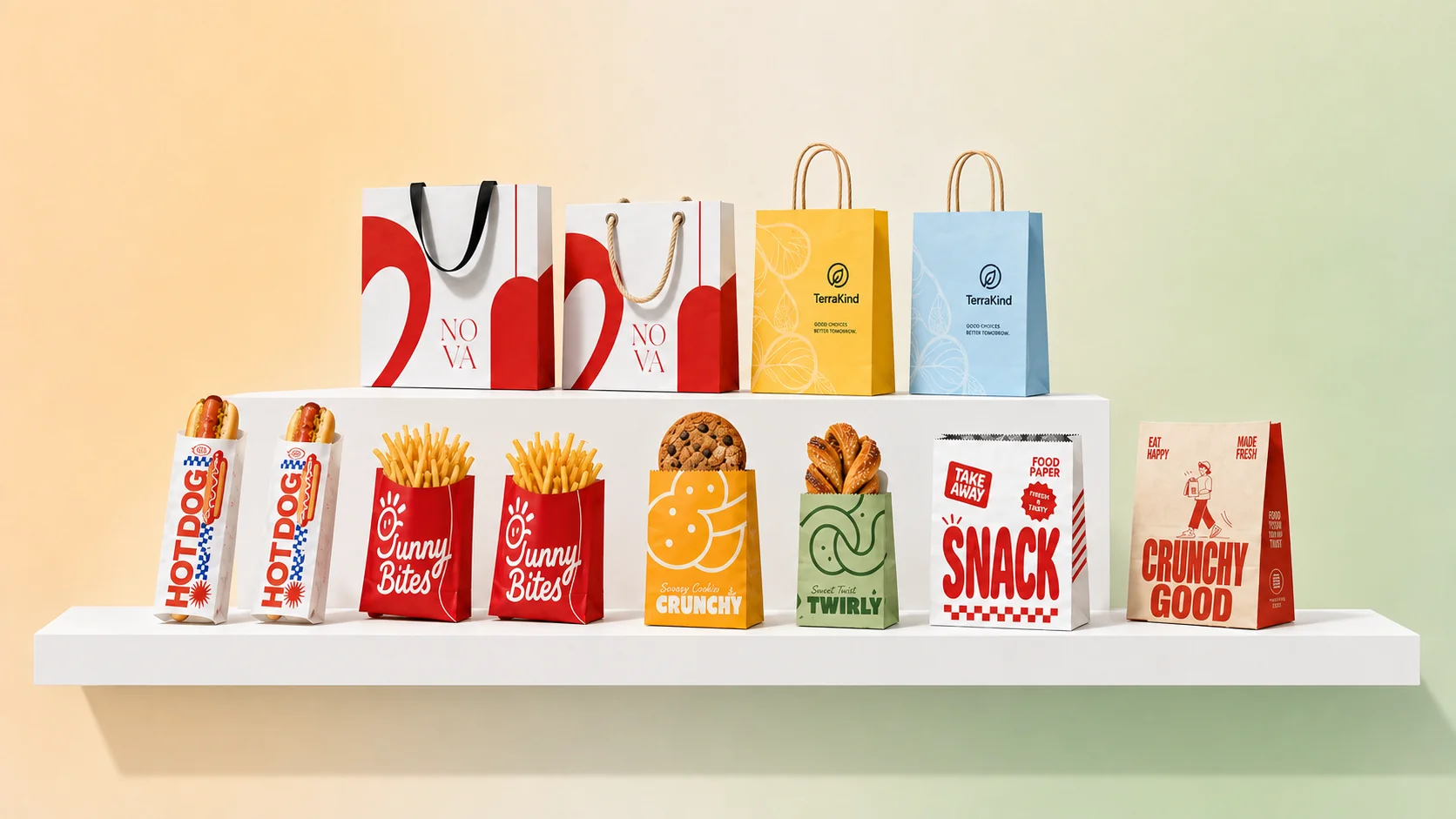
Low MOQ suppliers use digital or short-run production instead. On Ecoally, many food packaging products start at 50–100 units, depending on the item. That lets a cafe order branded takeout bags for a busy weekend, or a bakery run a limited holiday box without committing to a full warehouse of stock.
Traditional MOQ vs Low MOQ: A Quick Comparison
| Factor | Traditional packaging printer | Low MOQ platform (Ecoally) |
|---|---|---|
| Typical MOQ | 5,000–10,000+ units | 50–500 units (product-dependent) |
| Setup cost | Plate fees, die charges | No plates; design online |
| Lead time to first order | Weeks of back-and-forth proofs | Preview in 3D, order when ready |
| Best for | National chains, stable SKUs | Cafes, bakeries, pop-ups, DTC food brands |
| Design changes | Expensive re-plating | Easy to revise and reorder small batches |
If you are launching a new menu item, testing a rebrand, or running a short seasonal promotion, low MOQ is usually the smarter financial choice.
Why Small Food Businesses Need Flexible Packaging Runs
Test designs before you scale
Packaging is marketing you can hold. Before you commit to a single look for the next year, run two bag designs for a month and see which one customers mention at the counter. Low MOQ makes that A/B test affordable.
Lower upfront cash risk
A 10,000-unit order of custom paper bags can cost more than many small businesses spend on marketing in a quarter. Starting with a smaller run keeps cash available for ingredients, staff, and delivery platforms — while still delivering a polished branded experience.
Seasonal and limited-edition campaigns
Valentine's pastry boxes, summer iced-drink sleeves, or a collaboration with a local roaster all benefit from packaging that matches the moment. Low MOQ lets you match creative campaigns without leftover inventory sitting in storage for eleven months.
Personalization for events and wholesale
Corporate catering, wedding favors, and farmers-market specials often need custom packaging in small batches. A coffee shop can print event-specific cups; a bakery can create favor boxes for a single wedding weekend. That level of personalization was previously out of reach for independents.
Who Benefits Most from Low MOQ Packaging?
Low MOQ custom packaging is especially valuable for:
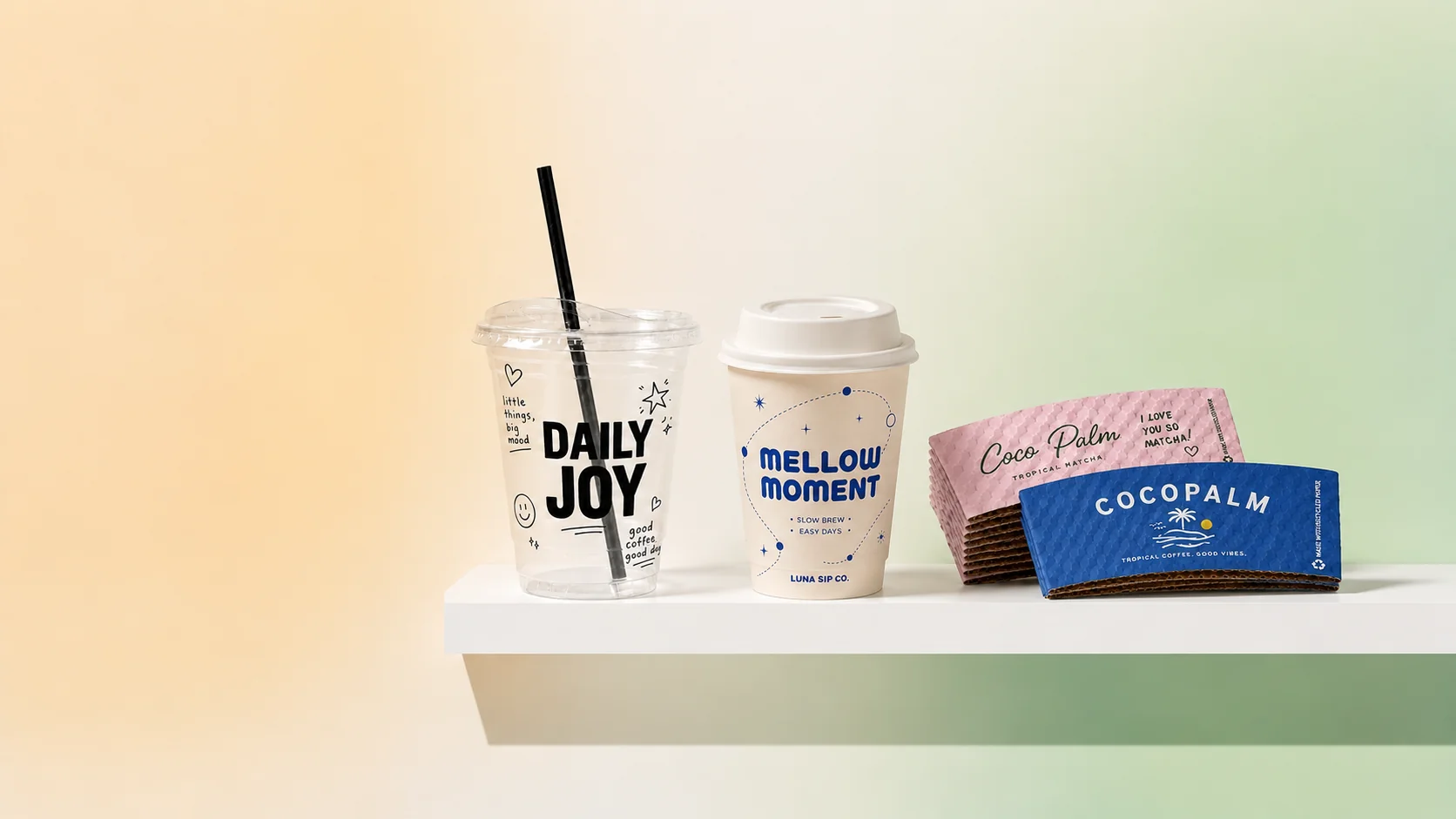
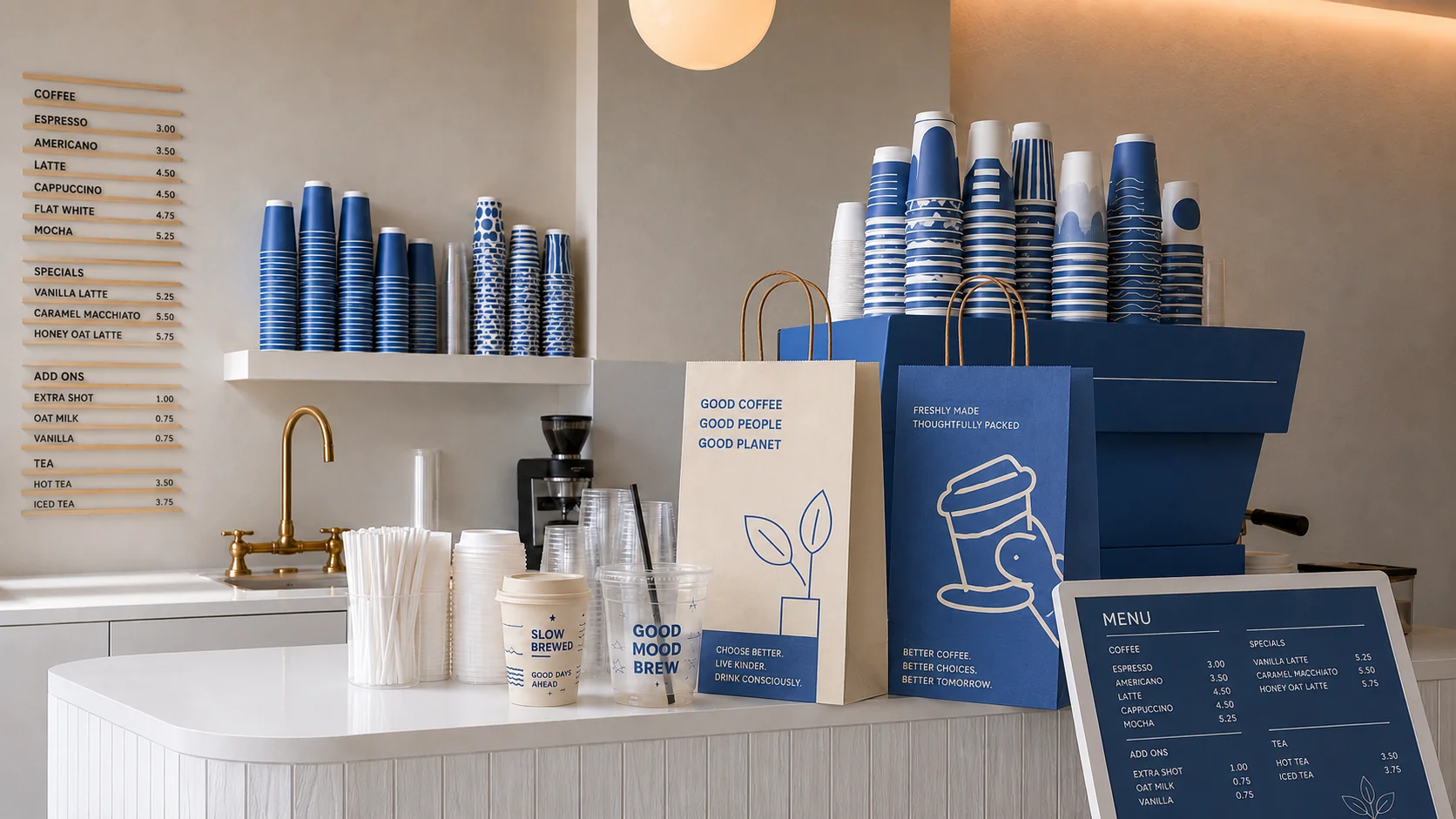
- Coffee shops and cafes — branded cups, sleeves, bags, and labels for daily takeaway
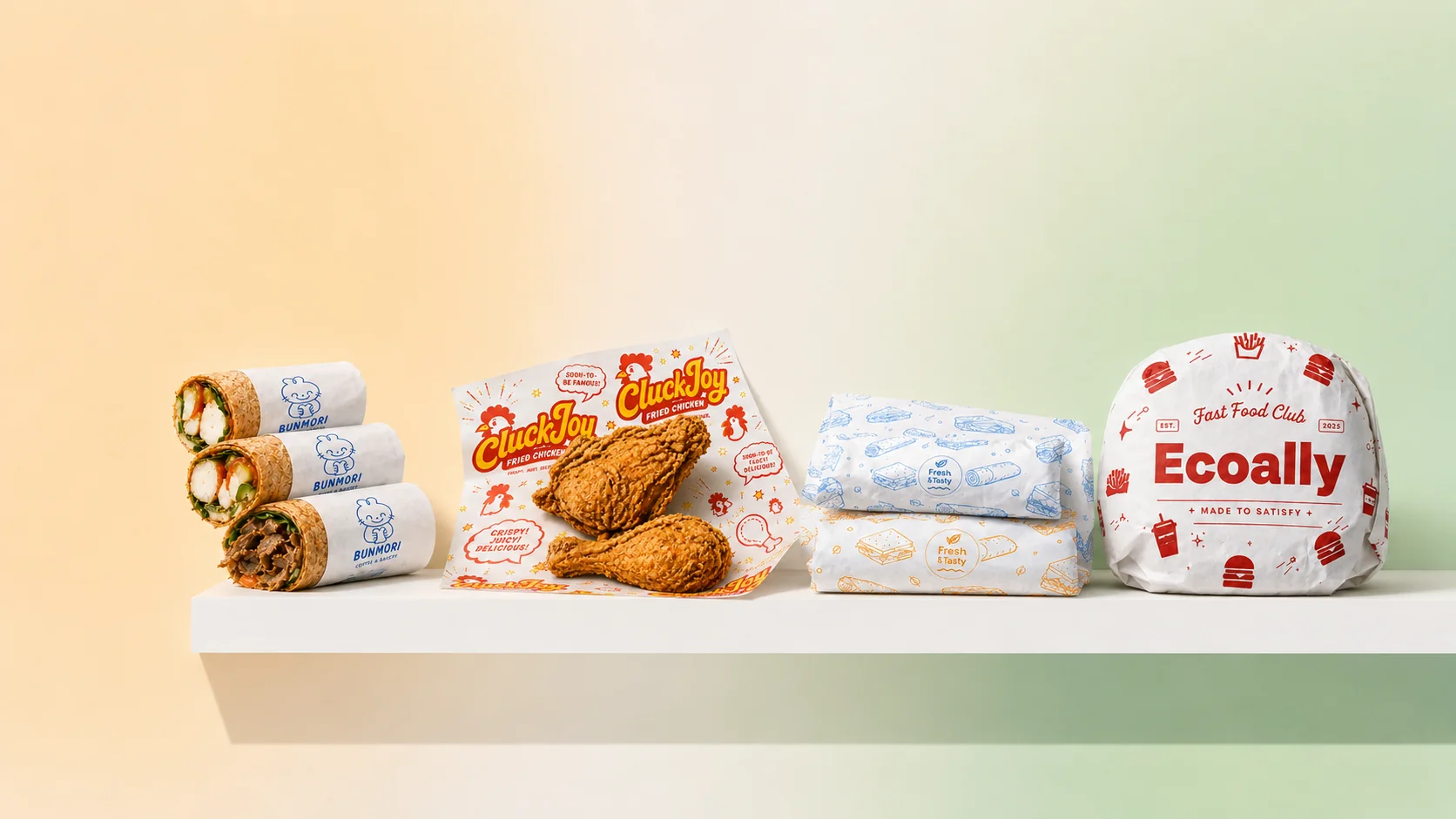
- Bakeries and pastry shops — boxes, bread bags, and greaseproof wraps in small runs
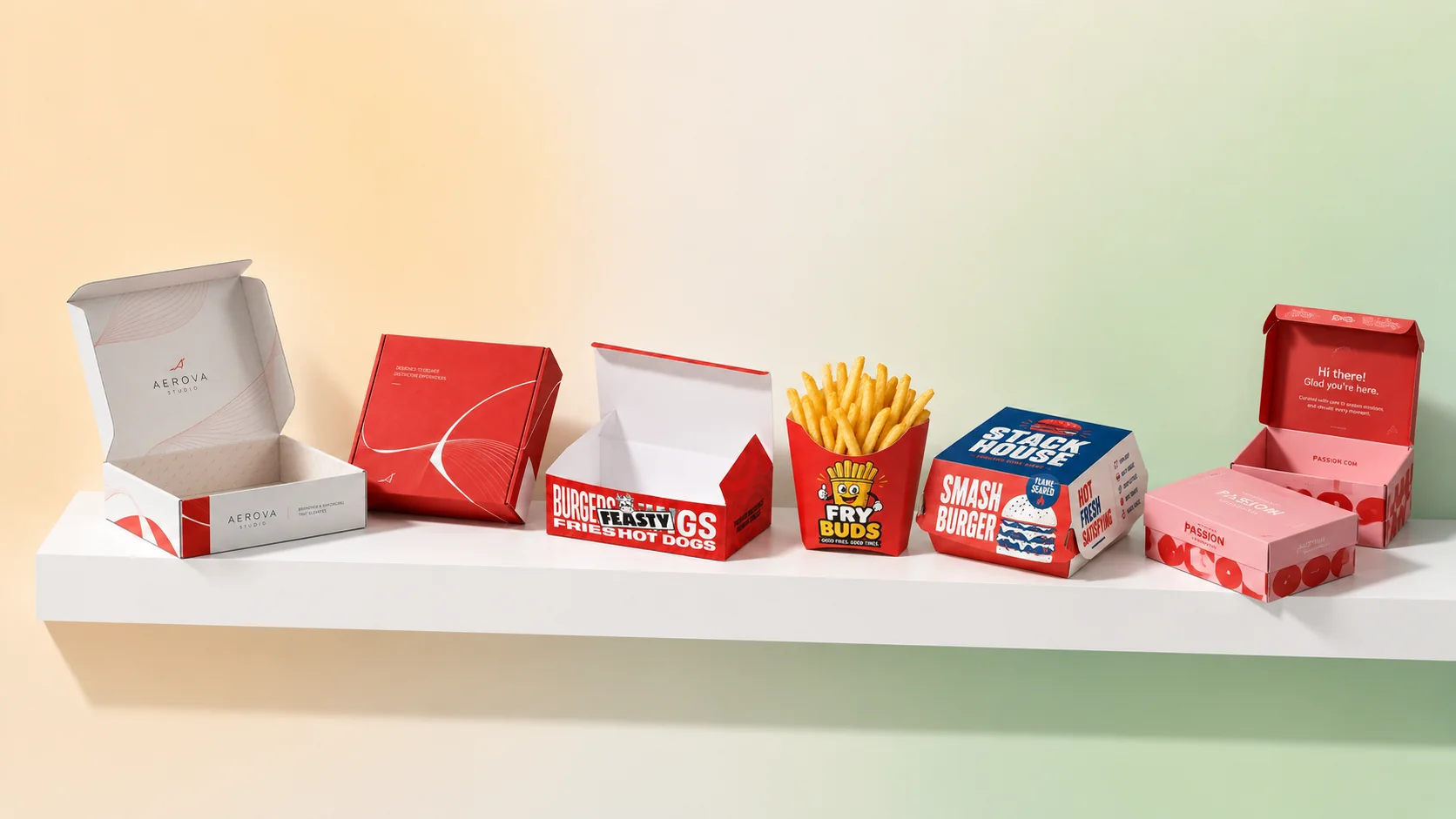
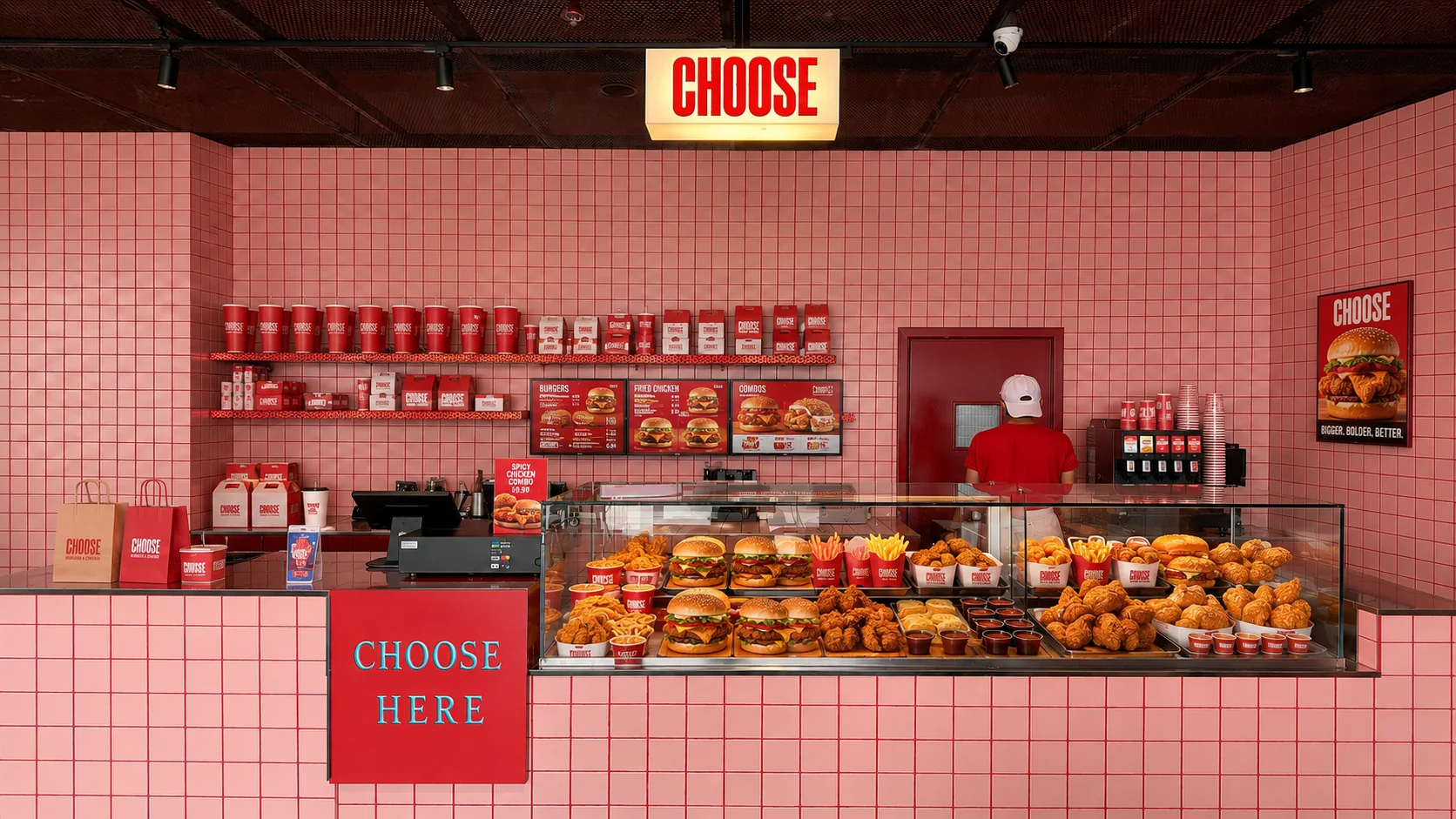
- Restaurants and ghost kitchens — takeout boxes, wraps, and tamper-evident stickers
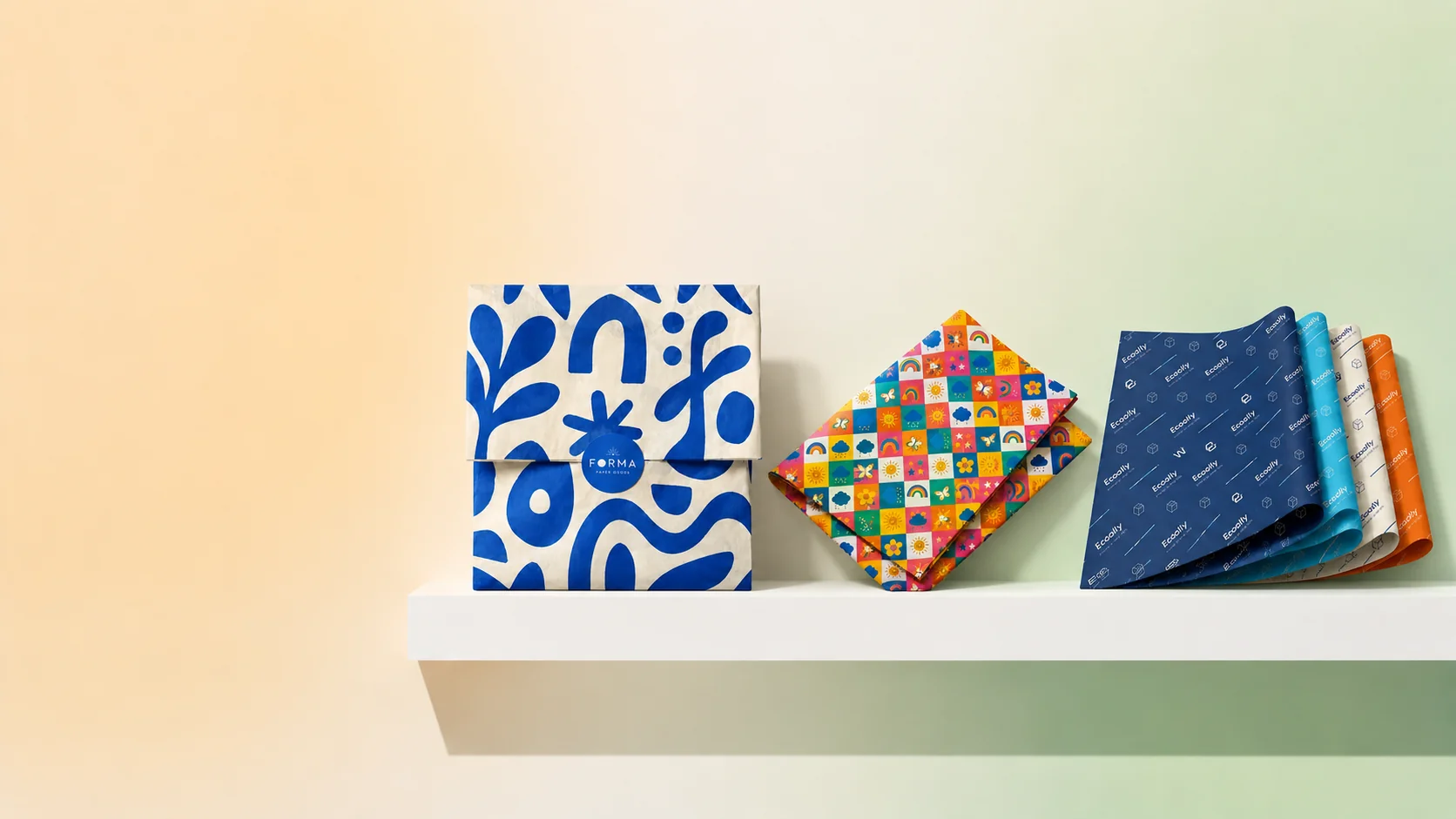
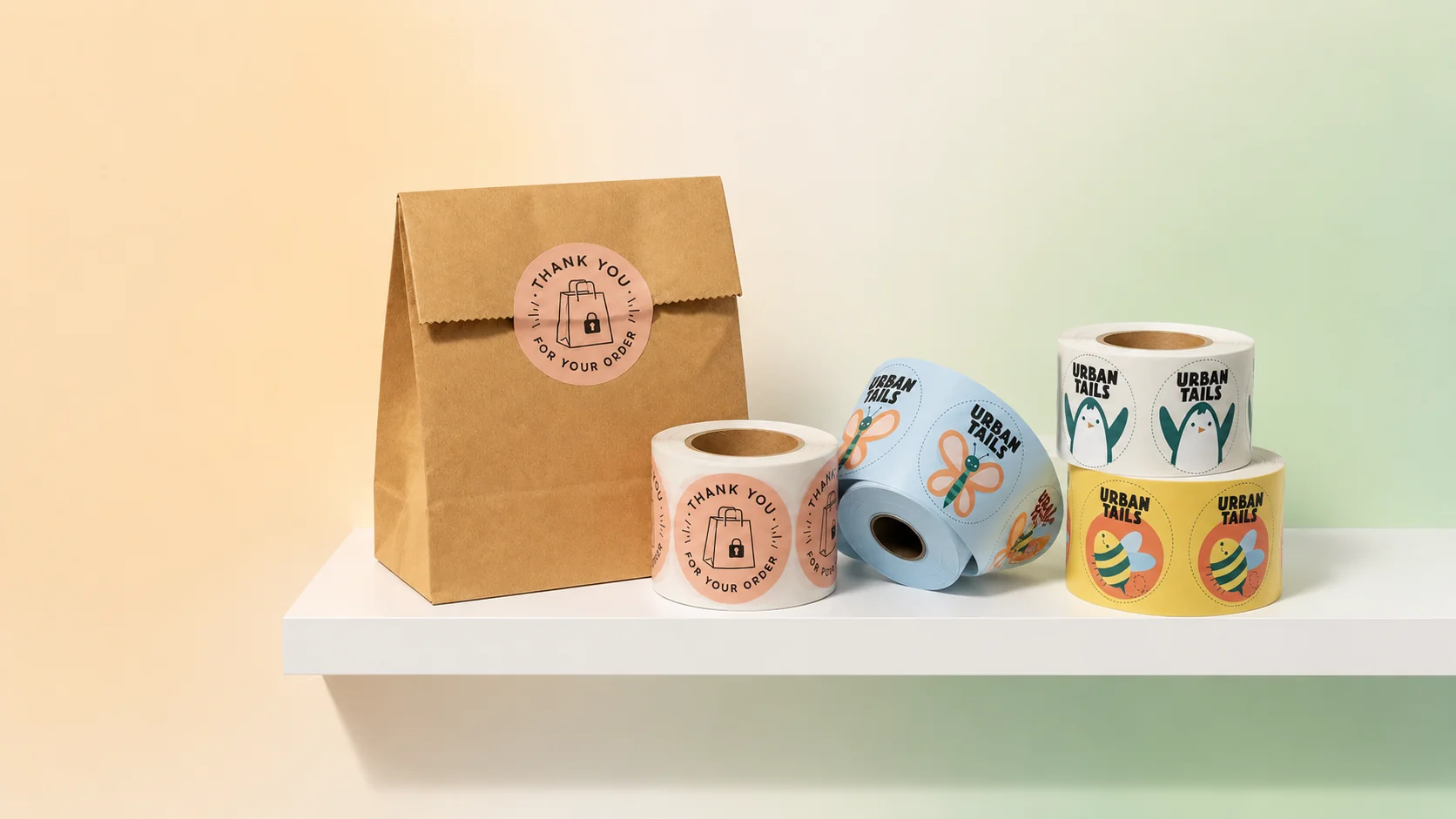
- Retail and DTC food brands — shopping bags, tissue, and unboxing-ready mailer packaging
- New brands — professional first impression without warehouse-scale inventory
Browse industry-specific packaging ideas for coffee shops, restaurants, bakeries, and more.
How to Get Started with Low MOQ Custom Packaging
- Pick one high-impact item first. Most cafes start with bags or cups; bakeries often start with pastry boxes or bread bags.
- Use your existing brand assets. Logo, hex colors, and typography are enough to begin — you do not need a full packaging agency for a first run.
- Preview before you order. Ecoally's 3D packaging editor lets you upload artwork and see how print placement looks on the actual product shape.
- Order samples or a small batch. Validate size, material feel, and print quality at the counter before scaling quantity.
- Reorder when a design wins. Once you know what works, increase quantity tiers for better unit economics.
Browse all customizable products to compare sizes, materials, and MOQ tiers.
Frequently Asked Questions
Can I start with a smaller run before scaling production?
Yes. Many Ecoally packaging products support low minimum order quantities, so you can test branded packaging with samples or smaller batches before committing to larger production runs.
Is custom packaging suitable for food brands?
Yes. Ecoally supports custom packaging for cafes, bakeries, restaurants, takeout brands, grocery products, and food service businesses — including food wrapping paper, paper bags, labels, boxes, and tamper-evident stickers.
What can I customize?
Depending on the product, you can adjust size, material, print color, logo placement, pattern, quantity, and finishing options across paper bags, food wrapping paper, tissue paper, boxes, stickers, labels, cups, and packaging accessories.
Do you offer sustainable packaging options?
Yes. Ecoally offers paper-based and recyclable packaging options, including kraft paper bags, food papers, tissue paper, wrapping paper, and other sustainable materials. See our materials guide for a full comparison.
Can I preview the design before ordering?
Yes. Ecoally's online 3D packaging editor lets you upload your logo, adjust colors and artwork, and preview selected custom packaging products before requesting samples or placing an order. Read the step-by-step 3D editor tutorial.
Low MOQ packaging democratizes branding. Every food business, regardless of size, can now deliver a professional, memorable experience from counter to doorstep — without betting the business on ten thousand boxes upfront.
Ready to start? Browse products or design your first bag in 3D.
Real-World Scenarios Where Low MOQ Wins
Opening week: A new cafe soft-opens with 100 branded bags instead of guessing demand for 5,000. When walk-up traffic exceeds expectations, they reorder within two weeks — with one design tweak based on customer comments.
Menu pivot: A ghost kitchen drops a underperforming cuisine line and launches a new concept. Low MOQ boxes and stickers let the team rebrand packaging for the new menu without writing off cartons of obsolete print.
Wholesale trial: A sauce maker tests placement in ten local delis with labeled sample jars and small-run sticker sheets. The trial validates demand before a regional retail push.
These scenarios share one theme: packaging should follow business proof, not precede it. Low MOQ aligns spend with learning.


